
Water
Stormwater Management - Our Low Impact Design
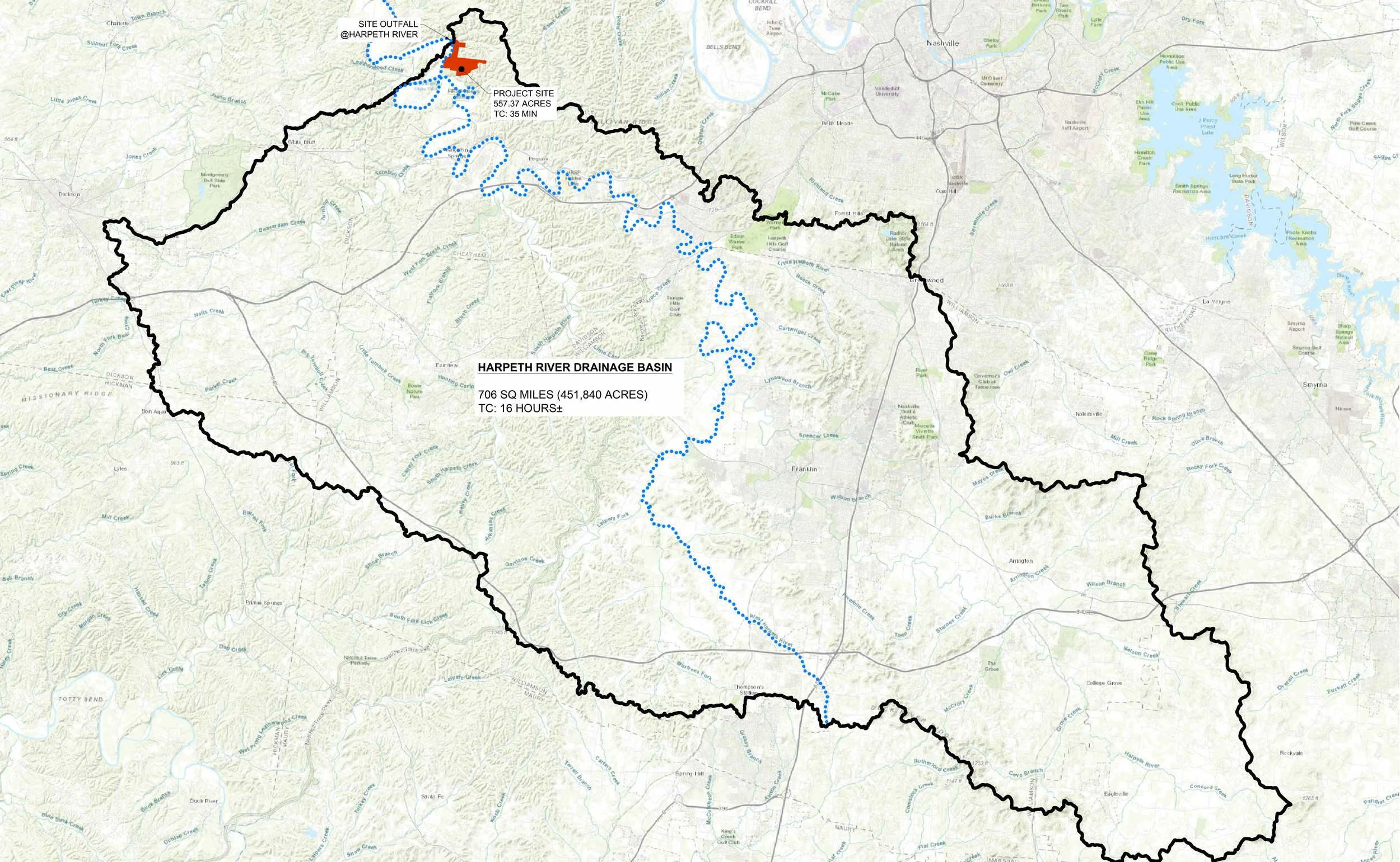
Harpeth River Drainage Basin
The project site, situated at the most downstream stretch of the Harpeth River within the drainage boundary, represents approximately 0.12% of the entire drainage basin area.
706 SQ Miles (451,840 acres)
TC: 16+ hours
Grass Swales
Shallow, low-slope channels that slow runoff, filter pollutants through vegetation, allow particles to settle, and reduce stormwater volume.
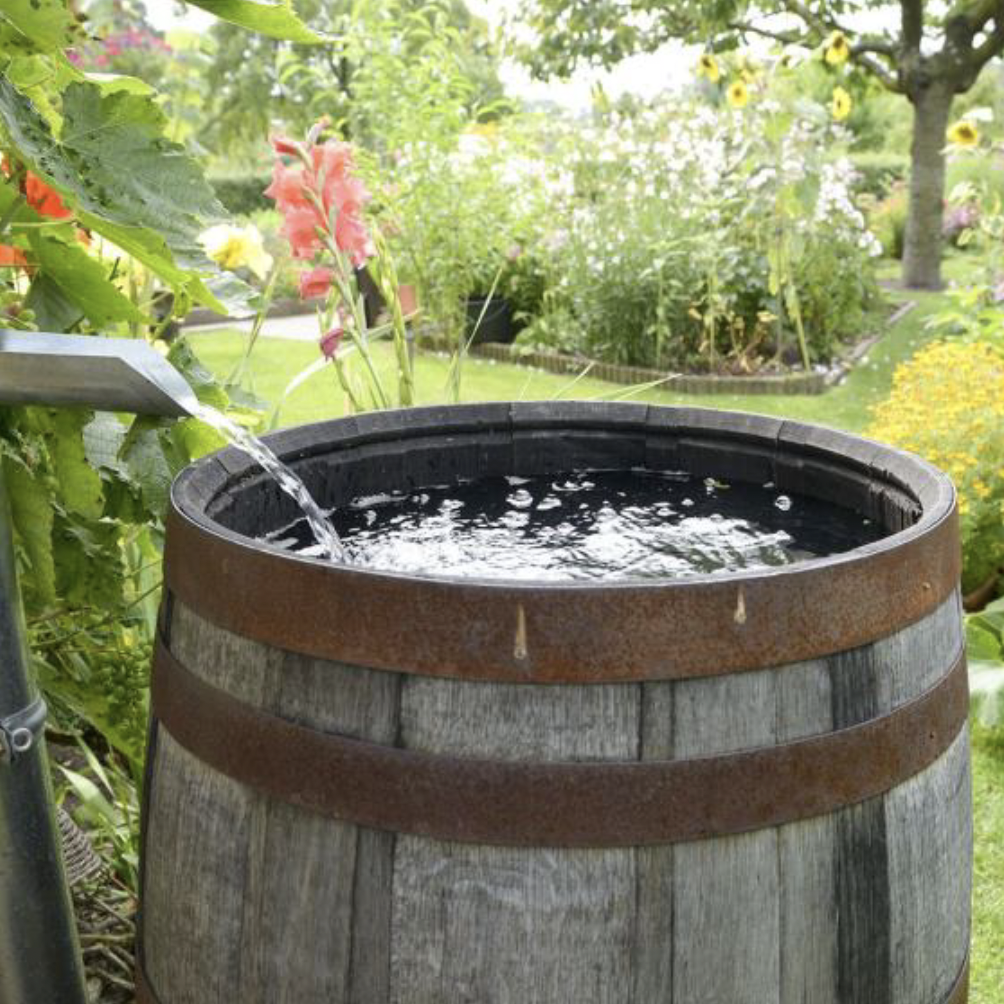
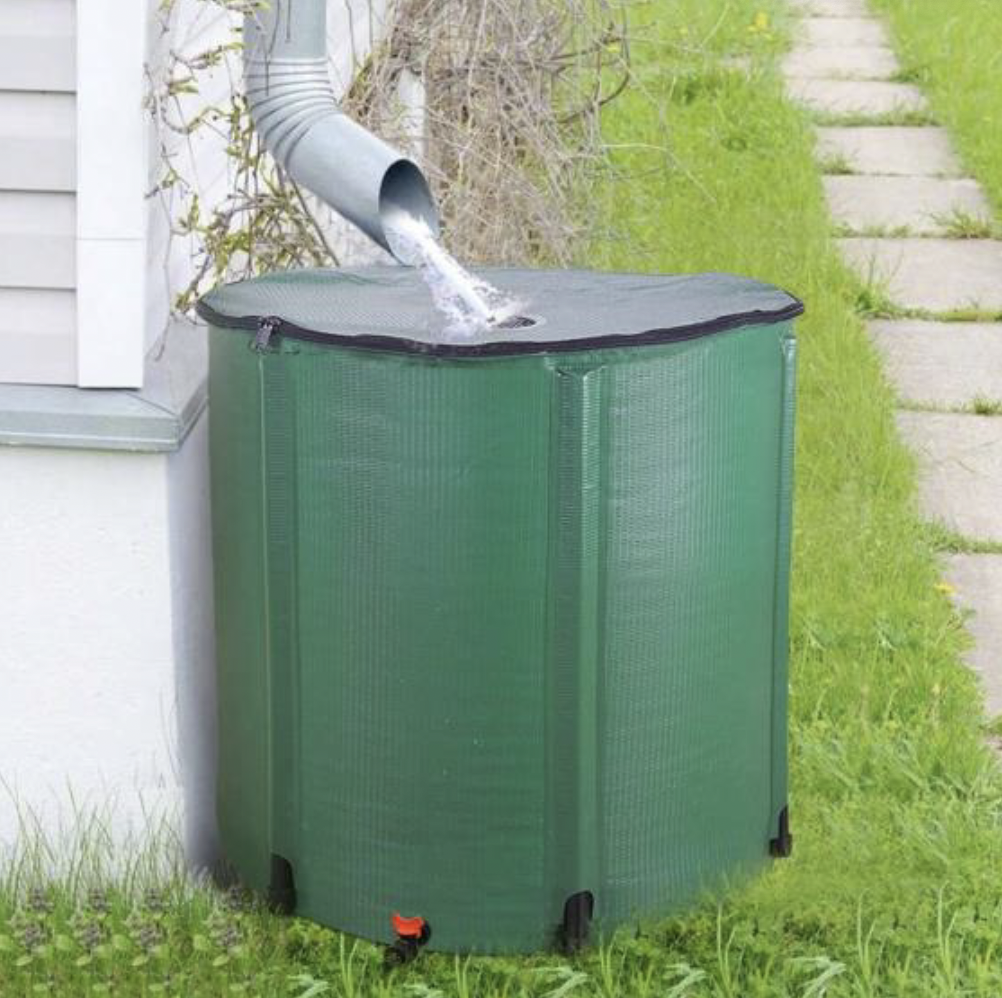
Rain Barrels

Collect roof runoff from building downspouts and recycle stormwater for landscaping irrigation.
Rain Gardens
Collect runoff from impervious areas and filter stormwater through plant uptake, filtration through amended soils and infiltration back into the ground.
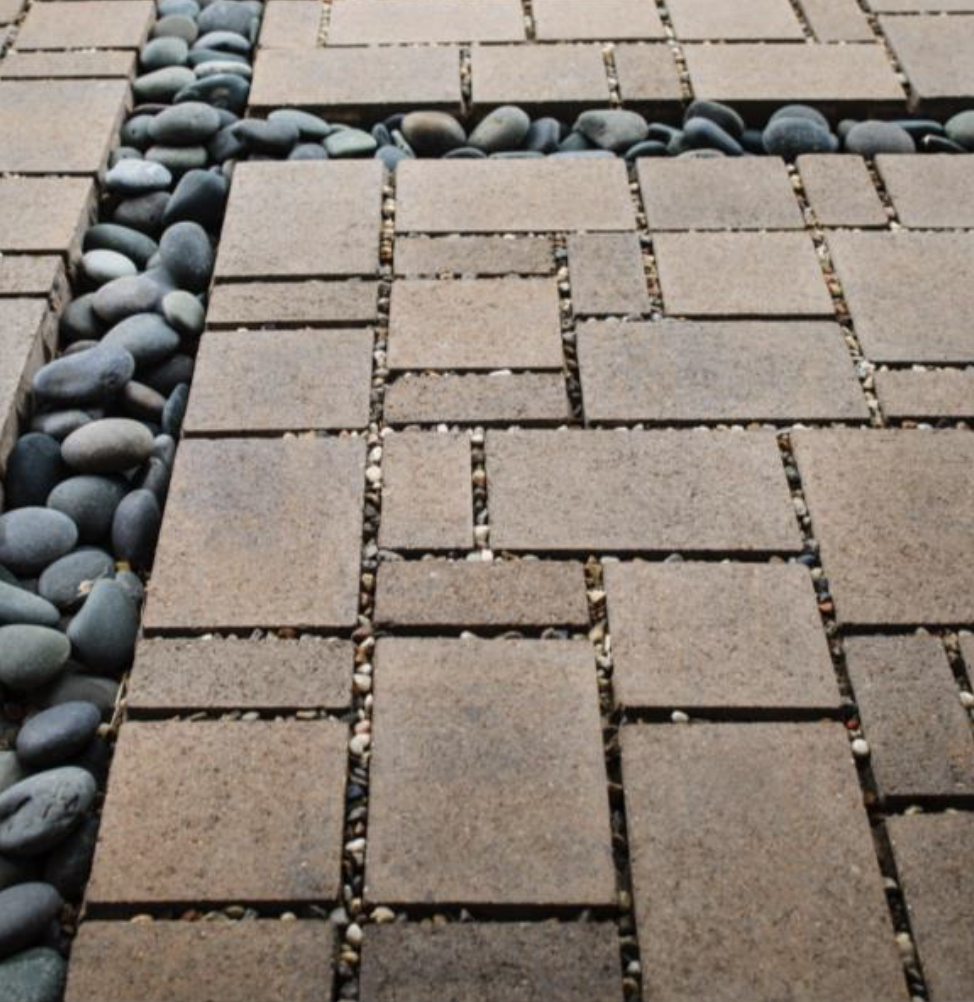
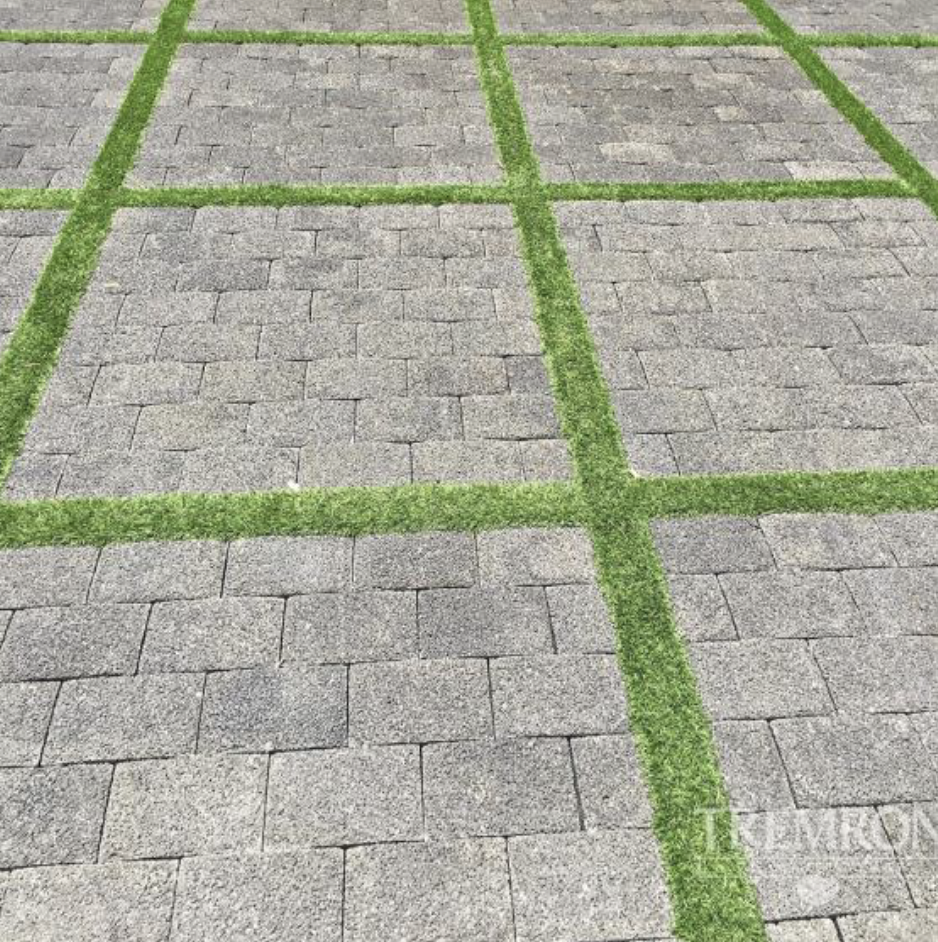
Permeable Pavers
Provide a hardscape surface while allowing rainwater to filter naturally into the ground.
Wastewater Management - Our Low Impact Design
We will use a decentralized wastewater treatment system common in small rural subdivisions, at sites without access to a centralized sewer system, or in environmentally sensitive areas where treated water is dispersed underground. As shown in the diagram, the system collects greywater from STEP tanks, treats it with biological filtration, and stores it in a final-dose tank. From there, it’s carefully released into drip-dispersal zones in the soil with a built-in flush-return system to keep everything running efficiently.
At drip dispersal zones, like the one shown above, treated wastewater is released slowly through underground tubing, allowing the soil and plant roots to naturally filter and absorb it. This method provides an efficient, environmentally friendly way to return clean water to the ground without pooling or runoff.